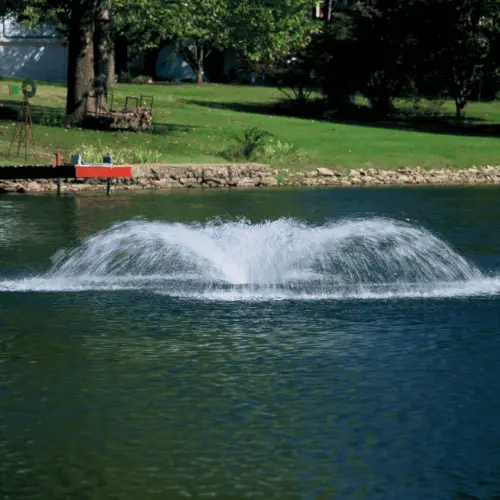

Description
The 1/2 HP surface pond aerator is a practical choice when you want visible surface agitation, stronger circulation, and more consistent oxygen transfer in ponds and similar water features. By continuously moving water and increasing gas exchange at the surface, this approach helps reduce stagnant zones and supports more uniform conditions across the pond.
Key benefits
- Improved oxygen transfer: Surface turbulence helps support dissolved oxygen levels for fish and beneficial biological activity.
- Better circulation and mixing: Ongoing movement can help limit stratification (layering) and encourage more even water quality.
- Reduced “still water” problems: Better flow can make it harder for nuisance conditions tied to stagnation to take hold over time.
Where a surface aerator fits best
A 1/2 HP surface pond aerator is commonly used in backyard ponds, park ponds, retention ponds, and lagoons where the goal is fresher water, improved habitat, and noticeable surface movement—without stepping up to higher horsepower categories. It’s also a frequent option when you want to enhance circulation in areas that naturally collect debris or experience low turnover.
Installation and operation notes
Surface aerators are typically moored in position to create a consistent circulation pattern. Plan for water-level changes by allowing appropriate slack in the mooring line, and route power safely to the shoreline connection point using methods appropriate for wet environments and local code requirements. For best results, placement is often guided by access, prevailing wind, pond shape, and the specific zones you want to keep moving. In colder seasons, some owners use the added surface movement from a 1/2 HP surface pond aerator to help keep an area open, depending on climate and site conditions.
FAQ
How do I choose the right size? Sizing depends on surface area, depth, organic load, and your goals (general aeration vs. stronger mixing). Share pond details for a more confident recommendation.
Where should I place it? Central placement often maximizes overall mixing, while offset placement can target stagnant coves or problem zones based on observed circulation.
Can it help with odors? Odors are often linked to low oxygen and stagnation; improved circulation and aeration can reduce those contributing conditions over time.
Explore more from our collection.


Reviews
There are no reviews yet.